Arabic Calligraphy
The Timeless Beauty of Arabic Calligraphy
Among the world's most treasured artistic traditions, Arabic calligraphy stands out for its unique blend of beauty, precision, and cultural heritage. More than just beautiful handwriting, it is a centuries-old art that reflects the rich cultural, historical, and spiritual heritage of the Arab and Islamic world. Combining elegance, precision, and creativity, Arabic calligraphy continues to inspire artists, designers, and language enthusiasts across the globe.
What Is Arabic Calligraphy?
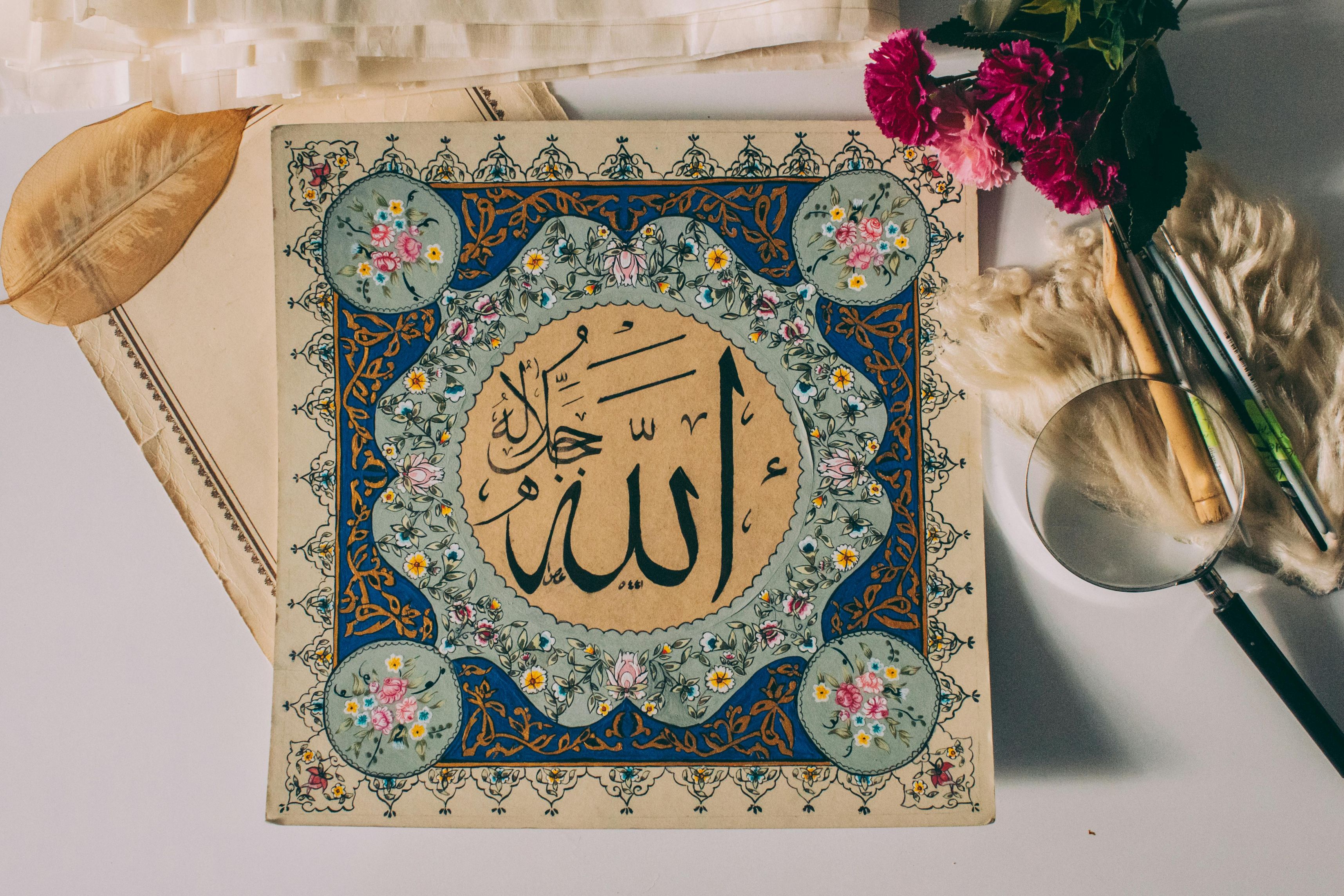
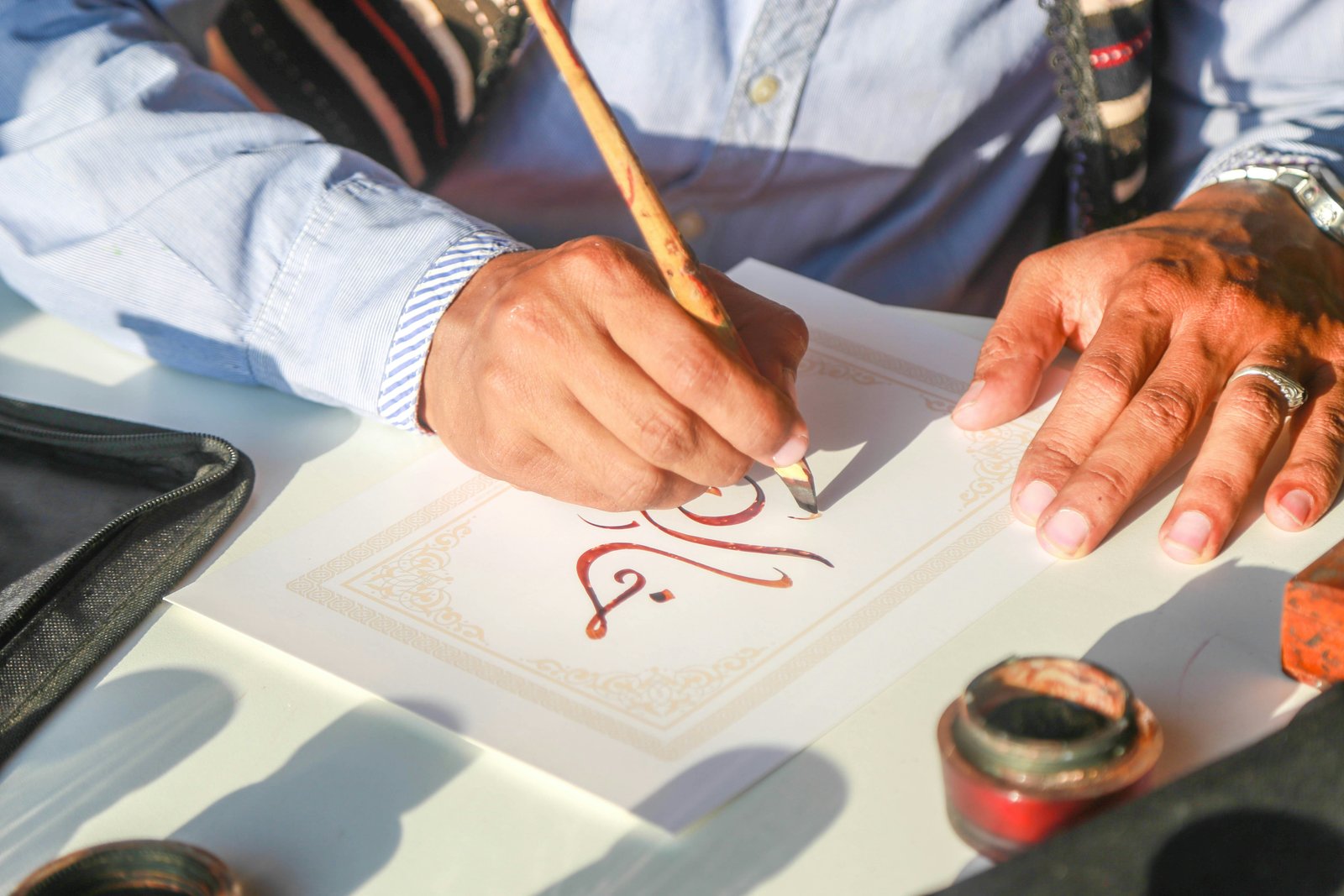
Arabic calligraphy is a traditional art form that transforms Arabic script into visually balanced and aesthetically pleasing compositions. Unlike ordinary handwriting, calligraphy transforms words into visual masterpieces by carefully balancing proportions, curves, and spacing. Throughout history, it has been used to decorate mosques, manuscripts, architecture, ceramics, textiles, and modern works of art.
A Rich Historical Legacy
The origins of Arabic calligraphy date back to the early centuries of Islam. As the Qur'an was written and preserved, skilled calligraphers developed refined writing styles to ensure both clarity and beauty. Over time, various scripts emerged, each with its own unique characteristics and purpose.
Some of the most well-known styles include:
- Kufic – One of the oldest scripts, recognized for its bold, angular appearance.
- Naskh – A clear and elegant style commonly used for books and printed Arabic text.
- Thuluth – Distinguished by its large, graceful letters and decorative flourishes.
- Diwani – An ornate script developed during the Ottoman Empire for official documents.
- Ruq'ah – A simple, practical script widely used in everyday handwriting.
The Spiritual Significance
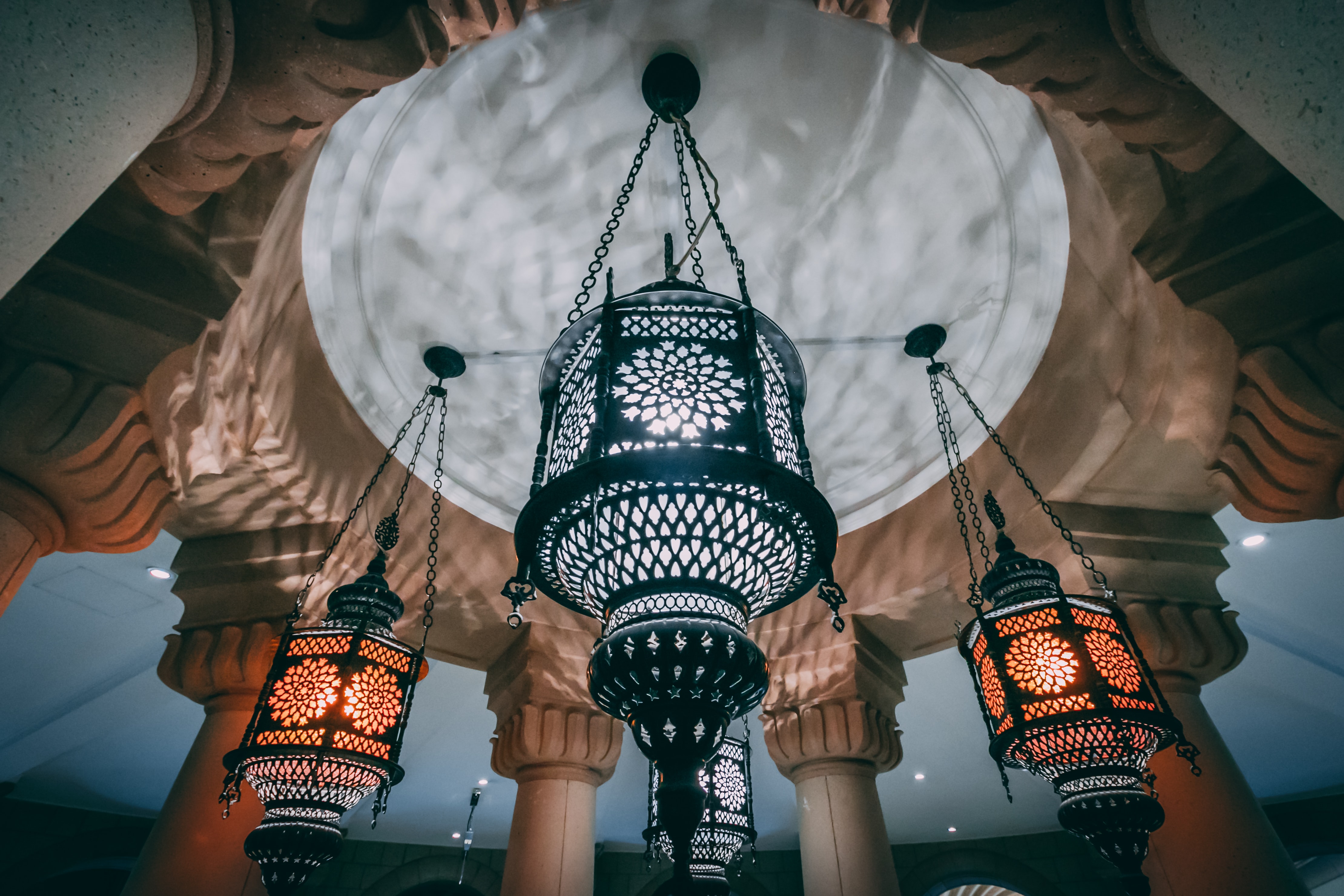
Arabic calligraphy occupies a distinguished position in Islamic culture due to its long-standing use in transcribing verses of the Holy Qur'an. Since Islamic art often avoids depicting living beings in religious settings, calligraphy became one of the most respected forms of artistic expression. Many mosques feature beautifully written Qur'anic verses that inspire reflection and appreciation for both language and faith.
Arabic Calligraphy in Modern Design
Today, Arabic calligraphy extends far beyond traditional manuscripts. Contemporary artists incorporate it into:
- Graphic design
- Interior decoration
- Fashion
- Digital art
- Logo design
- Wall murals
- Home décor
This blend of tradition and innovation has introduced Arabic calligraphy to new audiences while preserving its cultural roots.
Why Learn Arabic Calligraphy?
Learning Arabic calligraphy offers many benefits beyond artistic expression. It helps improve handwriting, strengthens familiarity with the Arabic alphabet, develops patience and concentration, and deepens appreciation for Arabic language and culture. For many learners, practicing calligraphy is also a relaxing and rewarding creative activity.
Conclusion
Arabic calligraphy is much more than a form of decorative writing; it is a living art that reflects the beauty of language, preserves centuries of history, and showcases exceptional artistic craftsmanship. Whether displayed in ancient manuscripts, the architecture of mosques, or modern artistic creations, it continues to inspire and captivate people around the world. By learning about Arabic calligraphy, we gain a deeper appreciation for one of the world's most elegant and enduring art forms.
Latest blogs: